
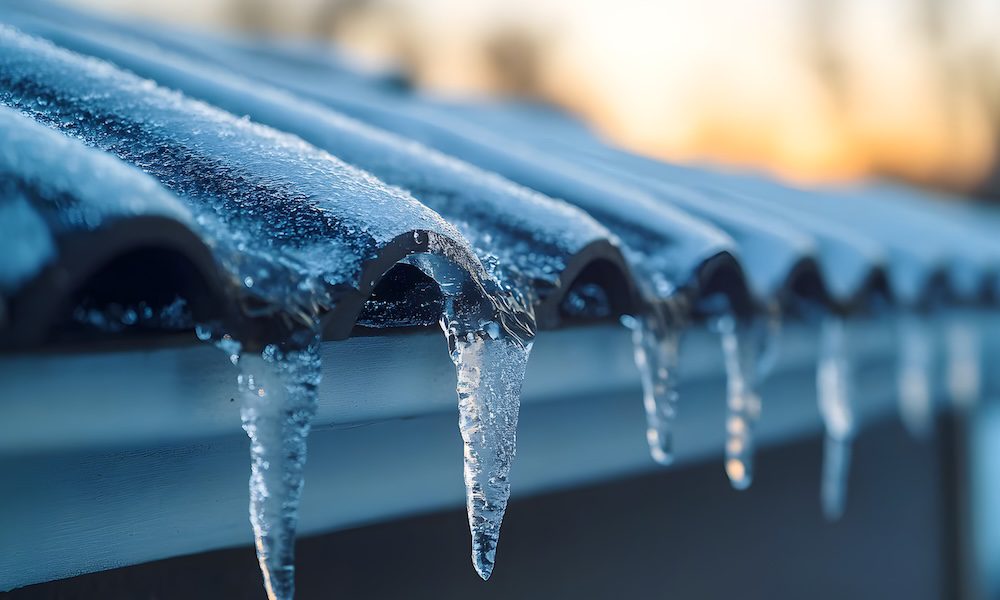
Winter brings its own set of challenges, and for homeowners in colder climates, ice damming is a common concern. Ice dams are ridges of ice that form at the edge of a roof and prevent melting snow from draining off. This can lead to significant damage to your home if not addressed promptly. In this article, we will explore the harmful effects of ice damming and provide guidance on how to safely remediate it.
The Harmful Effects of Ice Damming
Ice dams can cause a variety of issues for homeowners. When water backs up behind the dam, it can seep under shingles and into the home, leading to water damage in ceilings, walls, and insulation. This moisture can result in mold growth, which poses health risks and can be costly to remediate. Additionally, the weight of the ice can damage gutters and downspouts, leading to further structural concerns.
The presence of ice dams can also compromise the energy efficiency of your home. As warm air escapes through the roof, it melts the snow, which then refreezes at the roof’s edge, perpetuating the cycle of ice dam formation. This not only increases heating costs but can also exacerbate the physical damage to the roof structure.
Safe Remediation Techniques
Addressing ice dams safely requires a combination of immediate action and long-term prevention strategies. Here are some steps you can take:
Immediate Actions
-
Remove Snow from the Roof: Use a roof rake to carefully remove snow from the roof’s edge. This reduces the amount of melting snow that can contribute to ice dam formation. Be cautious not to damage shingles or other roofing materials.
-
Melt the Ice Dams: Calcium chloride ice melt can be used to safely melt ice dams. Place the ice melt in a nylon stocking and lay it across the ice dam. This will create a channel for water to flow off the roof.
Long-Term Prevention
-
Improve Attic Insulation: Proper insulation in the attic can prevent warm air from escaping, reducing the likelihood of snow melting and refreezing on the roof.
-
Ensure Proper Ventilation: Adequate ventilation in the attic helps maintain a consistent temperature, preventing the conditions that lead to ice dam formation.
-
Seal Air Leaks: Identify and seal any air leaks in the attic to prevent warm air from escaping and contributing to ice damming.
-
Install Heat Cables: In areas prone to ice damming, heat cables can be installed along the roof’s edge to prevent ice from forming.
By understanding the risks associated with ice damming and implementing these remediation strategies, homeowners can protect their property from damage and ensure a safer, more energy-efficient home during the winter months.
For more information on protecting your home from winter hazards or to discuss your insurance needs, please reach out to our agency. Our team is here to provide you with the guidance and support you need.