
What you need to know
Lithium batteries power many of the devices we use daily, from smartphones and laptops to e-bikes and power tools. While efficient, these batteries come with certain risks, especially when used improperly or in poorly maintained devices.
Common lithium battery risks
-
Fire hazard. Lithium-ion batteries can ignite if damaged, overcharged, or exposed to extreme heat. Device fires can seriously damage your home and may lead to injury.
-
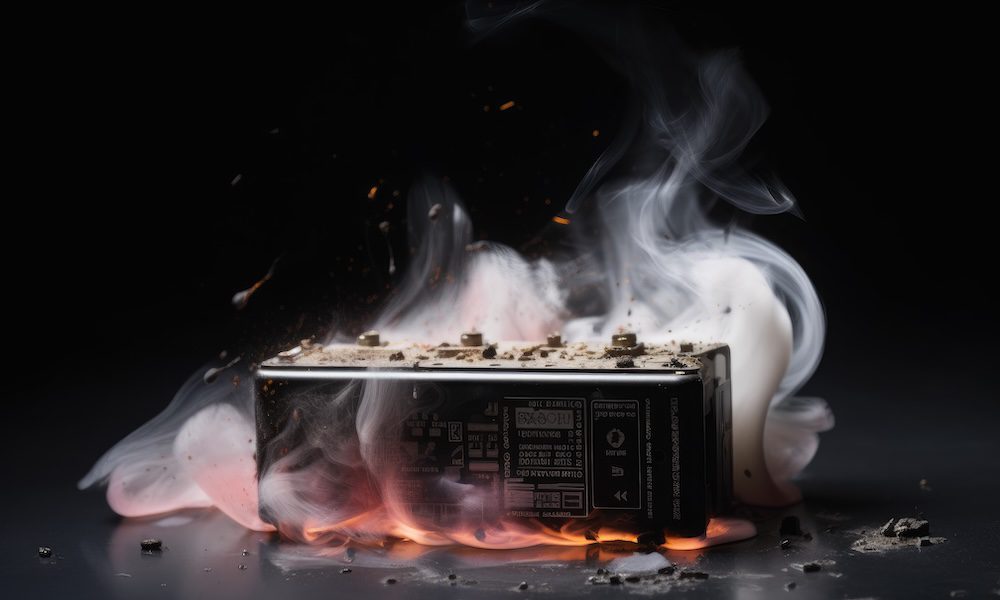
Overheating and thermal runaway. A damaged battery can cause “thermal runaway,” where it overheats rapidly and may explode. This can result from overuse, charging malfunctions or physical damage.
-
Swelling or leaking. Batteries can swell or leak over time, particularly if left plugged in for too long or exposed to high temperatures. This can cause device malfunctions and increase the risk of fire or explosion.
-
Short circuiting. Devices can short circuit, especially if exposed to water or if internal components are damaged, leading to overheating and potential fires.
How to reduce risks
-
Use the right charger. Always use the charger that comes with your device or a certified alternative. Incompatible chargers can lead to overcharging and overheating.
-
Don’t leave devices charging unattended. Avoid charging devices overnight, as overcharging can degrade batteries and increase fire risks. Do not leave devices plugged in your vehicle.
-
Charge on hard surfaces. Avoid charging devices on soft surfaces like beds or couches, which can block airflow and cause overheating.
-
Keep vents clear. Ensure that vents and cooling systems in devices, like laptops, are not blocked to prevent overheating.
-
Check for damage. Routinely inspect your devices for signs of damage, swelling, or excessive heat. If a battery is swollen or leaking, stop using the device immediately and seek professional repair or replacement.
-
Update your software. Keeping devices updated ensures they have the latest battery management improvements and safety features.
-
Recycle properly. Do not throw away devices with lithium batteries in the regular trash. Use e-waste recycling programs or take them to designated recycling centers.
-
Choose reputable brands. When purchasing devices, select products from manufacturers that follow safety standards. Avoid counterfeit or unapproved batteries and chargers.
-
Store properly. Keep batteries in a cool, dry place with around 40% to 60% charge. Consider storing fireproof or explosion-proof bags for added safety during storage.
Following these safety standards can protect your home and devices from the risks associated with lithium batteries.